
Rectangular Duct Manufacturing Process
Published · Updated
From sheet preparation to the finished duct: understand the main operations and the equipment used at each stage.
Build a workflow around your material, duct dimensions, connection profiles and required production output.
The Process at a Glance
- 01Prepare the sheet
- 02Bead & notch
- 03Form the edges
- 04Fold the blank
- 05Close the seam
- 06Finish & inspect
Typical operations, rather than a fixed machine sequence. The order and integration depend on duct construction, connection system and production-line configuration.
Rectangular Duct Production: Step by Step
Sheet preparation
Start from coil or cut sheet. Confirm the material, thickness and blank dimensions; coil-fed production also requires suitable feeding and leveling.
Explore Auto Duct LinesBeading & notching
Add panel beads where specified and prepare corner reliefs for the chosen seam, flange and folding arrangement.
View Beading EquipmentLock & flange forming
Form the required longitudinal lock and transverse connection profiles. Match the actual drawing, tooling and mating components.
View Lock Forming MachinesFolding the blank
Fold the prepared blank into the required duct shape. Check fold positions, alignment and clearance around the formed edges.
View Folding MachinesClosing the seam
Assemble the mating edges and close the longitudinal seam using equipment compatible with the profile and sheet material.
View Seam Closing EquipmentReinforcement & inspection
Complete the specified reinforcement and connection components, then inspect dimensions, joints and sealing requirements before dispatch.
Explore the Production SolutionTwo Connections to Plan For
Longitudinal seam
Joins the sheet edges along the duct section. A Pittsburgh lock is one common profile; forming the lock and closing the assembled seam are separate operations.
Transverse connection
Connects adjoining duct-section ends. TDF, TDC and other flange systems require the specified profile and matching connection components.
Separate Machines or an Automatic Duct Line?
| What to compare | Separate machines | Automatic duct line |
|---|---|---|
| Workflow | Move the sheet between individual processing stations | Combine selected operations in a configured line |
| Material preparation | Cut sheet or separately prepared coil blanks | Coil feeding and processing, depending on the model |
| Equipment planning | Match each machine to its process and required profiles | Confirm included functions and remaining downstream equipment |
| Selection inputs | Job mix, operators, available space and output needs | Batch sizes, coil handling, layout and output needs |
An automatic line may prepare blanks or integrate additional forming operations. Confirm its actual scope before planning the workshop.
Check the Finished Duct Before Dispatch
Dimensions & shape
Check the specified length, width, height and squareness, including the position of folds and connections.
Seams & connections
Inspect seam closure, profile fit and the required corners, cleats or other connection components.
Reinforcement & sealing
Confirm the specified reinforcement and sealing details. Complete any testing required by the project.
Selection checklist: Provide material grade, sheet-thickness range, duct dimensions, seam and flange drawings, expected output, power standard and available workshop space.
Explore Rectangular Duct Production Equipment
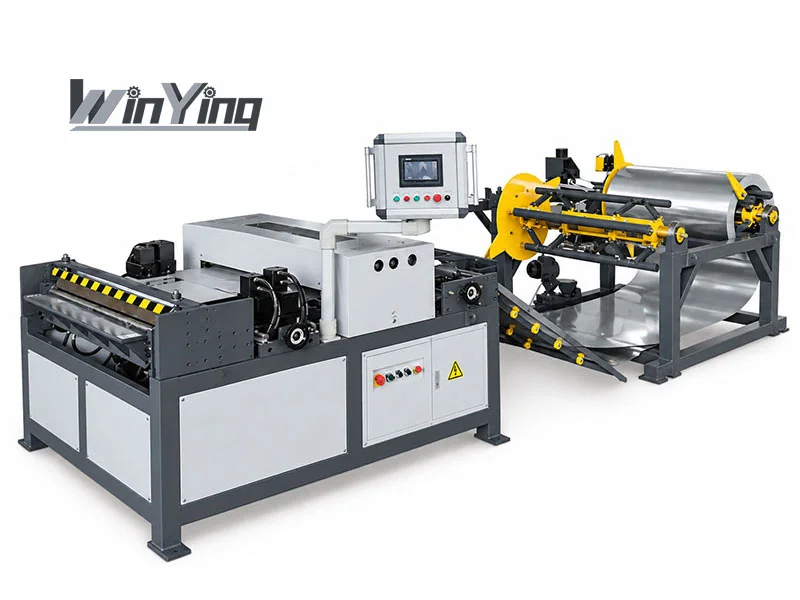
Auto Duct Lines
Explore coil-fed processing and the functions available in each line configuration.
View Auto Duct Lines →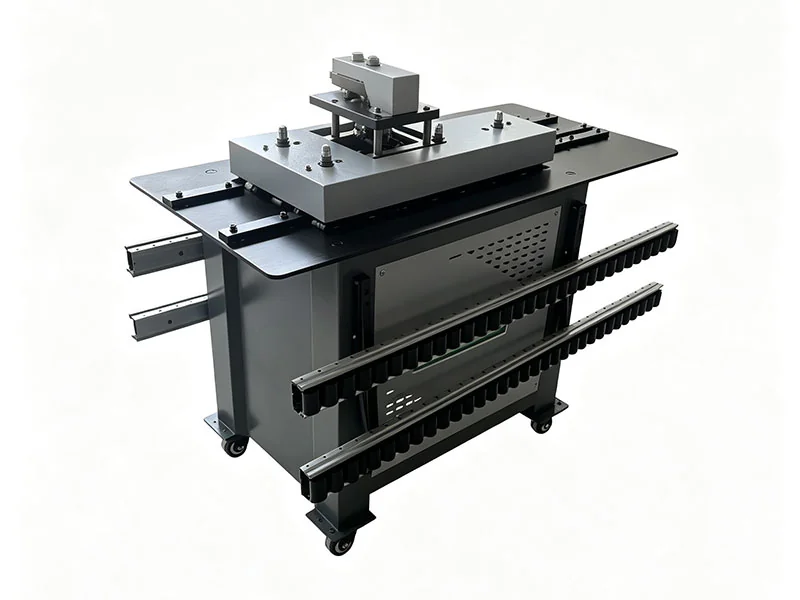
Lock Forming Machines
Match the roller configuration to the longitudinal seam and other required profiles.
View Lock Forming Machines →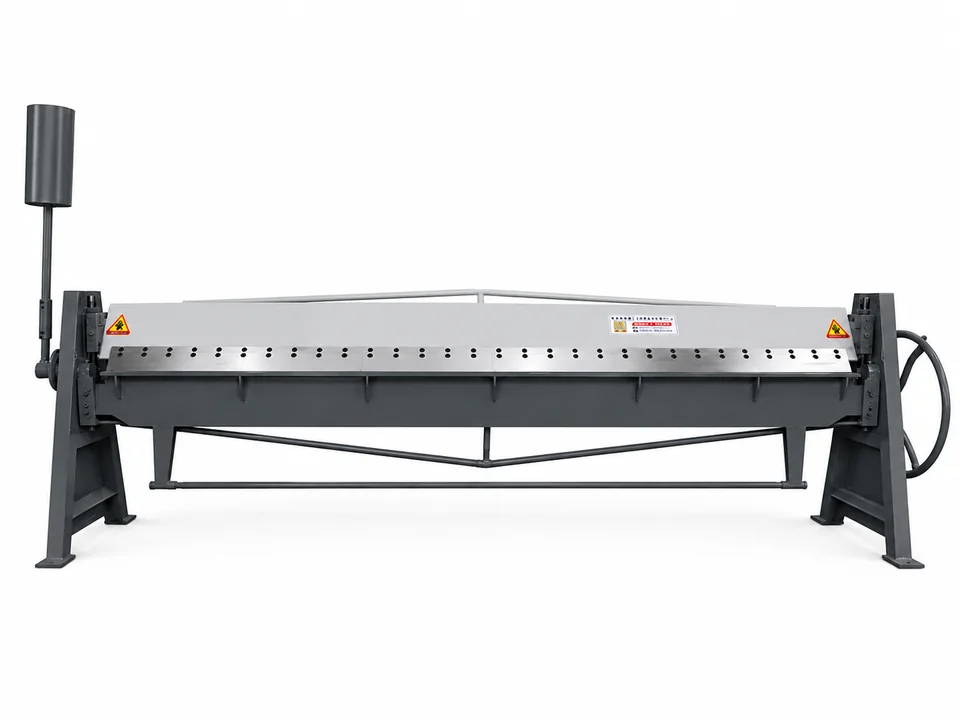
Folding Machines
Choose folding equipment for your working width, material and production needs.
View Folding Machines →Build a compatibility matrix before buying stations
List grade, minimum/maximum thickness, panel width, duct cross-section, section length and seam/flange drawing. Each machine must cover its own operation. A wide blank-preparation station cannot compensate for a narrower downstream folder or incompatible seam closer.
For example, the G-1.2×2000 lists 2000 mm width with 0.4–1.2 mm thickness, while the WS-1.5×2500 lists 2500 mm and 0.3–1.5 mm. The SL-12 lists 1000–1550 mm processing length. These are different constraints and require a common workpiece review.
Control the handoffs between stages
After blank preparation, check dimensions and notch positions before adding profiles. After edge forming, inspect matching geometry before folding. After folding, check alignment and squareness before seam closure. Rework found early avoids carrying a defective blank through the entire route.
Beading, connection components and reinforcement must follow approved construction. Agree any sealing and performance test on the finished assembly; a machine trial alone does not certify the duct system.
Measure complete-order output
Separate coil changes, blank processing, transfers, profile changes, folding, assembly and inspection. Use a representative order mix with sizes and fittings rather than extrapolating feed speed to finished ducts per shift.
For small variable batches, existing separate stations may remain useful. Repeated orders may benefit from more integration, but compare the line's actual functions with the remaining labor and downstream bottleneck.
Use a coordinated supply and acceptance plan
- Approve material, drawings and dimensional ranges.
- Map each station and required tooling.
- Review transfers, loading and service access in the layout.
- Make complete representative ducts and fitting interfaces.
- Record inspected output and the agreed finished quality.
WinYing Machinery can discuss configurations from the actual production needs. Send the material/size matrix and existing equipment to review the full solution. Confirm supply scope, installation, training and documentation for every stage.
Frequently Asked Questions
Does every workshop need an automatic duct line?
The production setup depends on output, job mix, operators and available space. Separate machines and automatic lines can support different workshop requirements.
Does an automatic duct line complete every operation?
The included operations vary by model. Confirm whether the line prepares blanks, forms edges or folds the duct, and identify any separate seam-closing or finishing equipment.
Is beading the only reinforcement needed?
Panel beads are one possible feature. The complete reinforcement arrangement must follow the duct construction and project requirements.
What information is needed to plan a production line?
Provide material and thickness, typical duct dimensions, seam and flange profiles, expected output, job mix, power standard and workshop layout.
Can upstream speed prove finished ducts per shift?
No. Include material changes, transfers, profile work, folding, closing, assembly and inspection for a representative order mix.