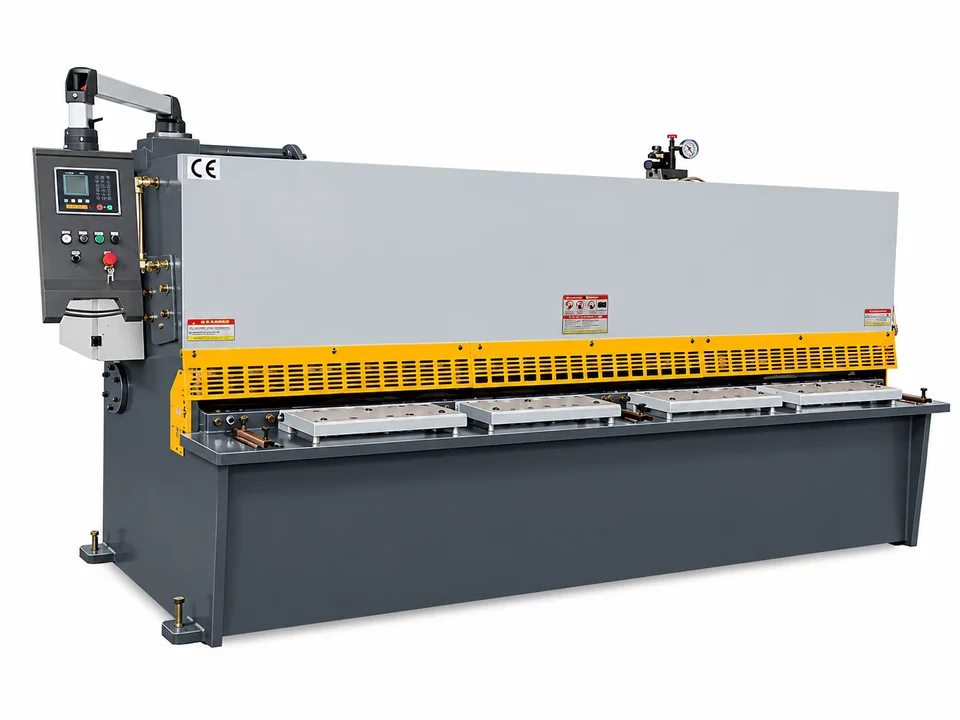
Shearing & Cutting
Cut sheet metal to size, with options from manual shearing to hydraulic and laser cutting.

SHEET METAL EQUIPMENT
Find equipment for cutting, bending and plate rolling — matched to your material and production requirements.
We use these requirements to prepare a configuration review. Listed equipment options are not a confirmation of material capacity.
Cut sheet metal to size, with options from manual shearing to hydraulic and laser cutting.
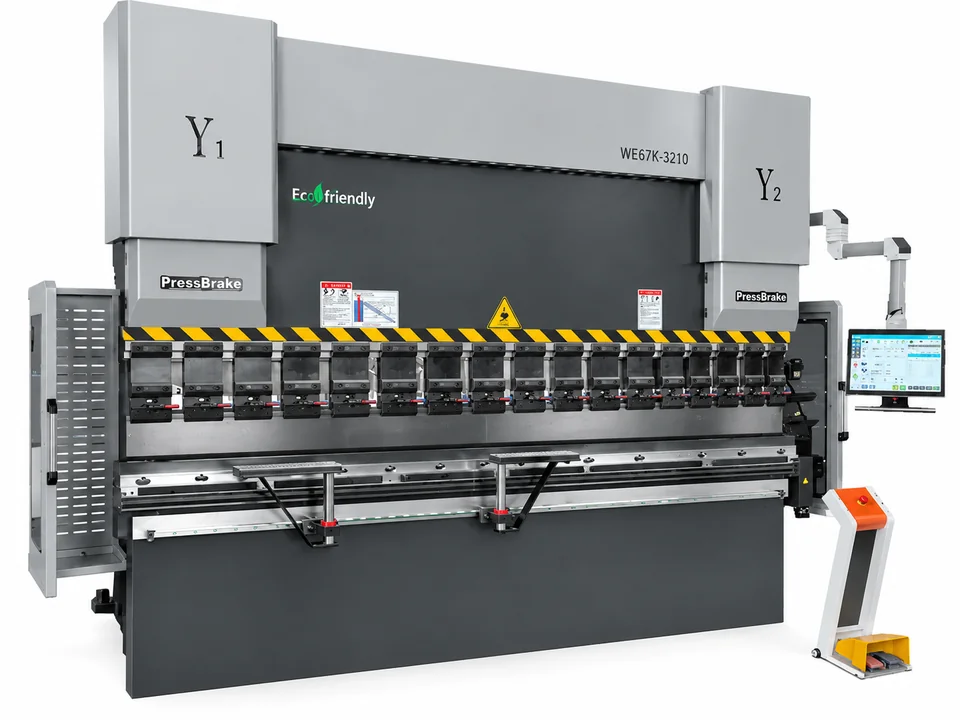
Form flanges and angles with folding machines, press brakes and automatic panel benders.
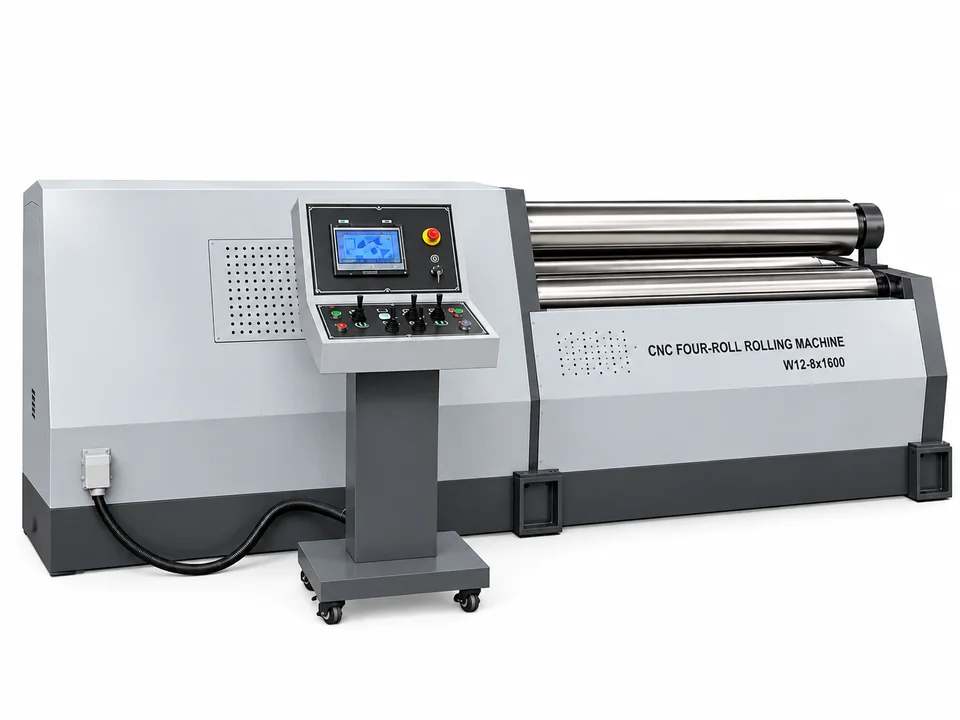
Explore equipment for cylindrical and curved parts, selected by material, width and forming diameter.
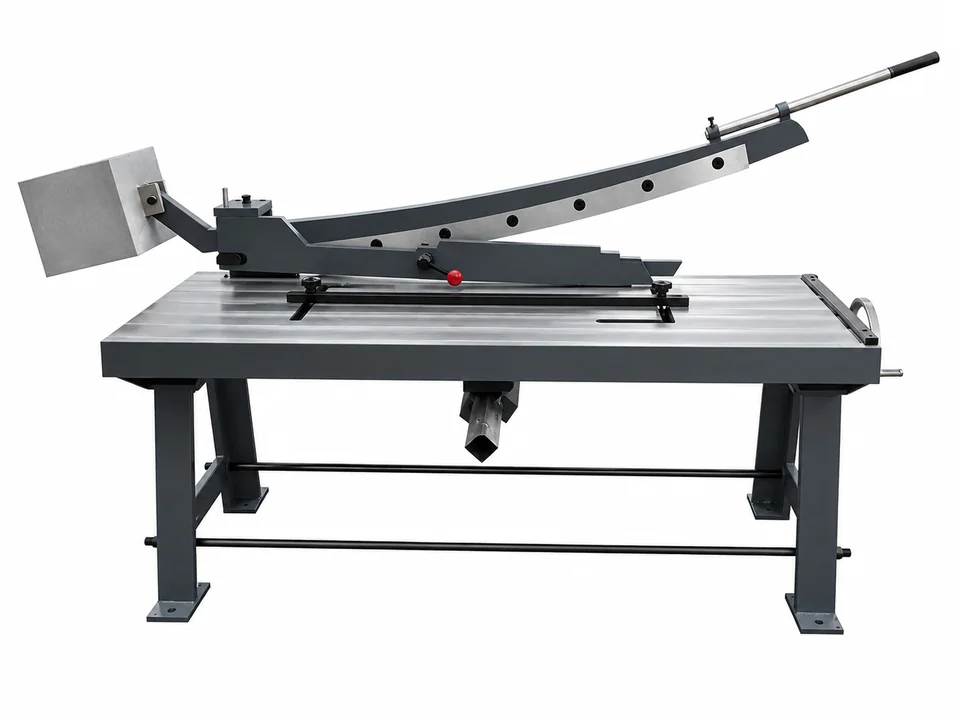
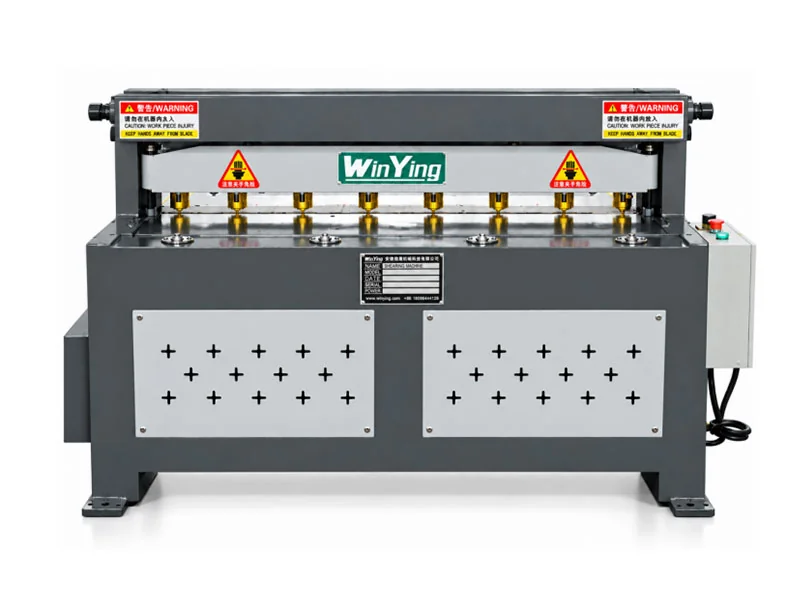
Compare Q11 models by cutting width, thickness and drive configuration.
View ModelsReview model-specific capacity, backgauge and sheet-handling requirements.
View Models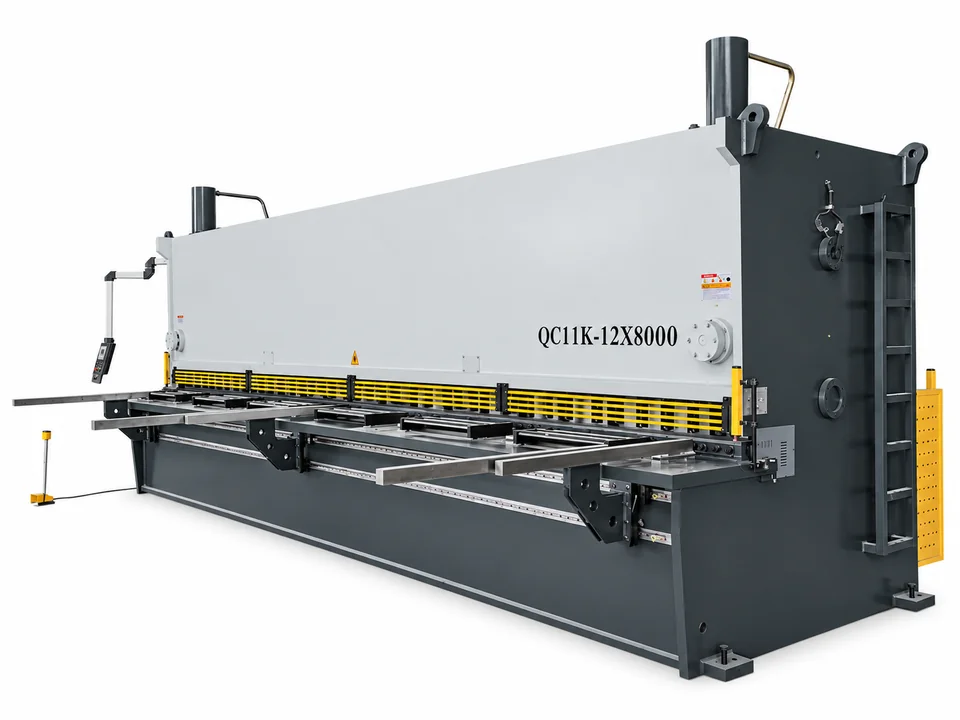
Compare guided-blade configurations and their listed cutting parameters.
View Models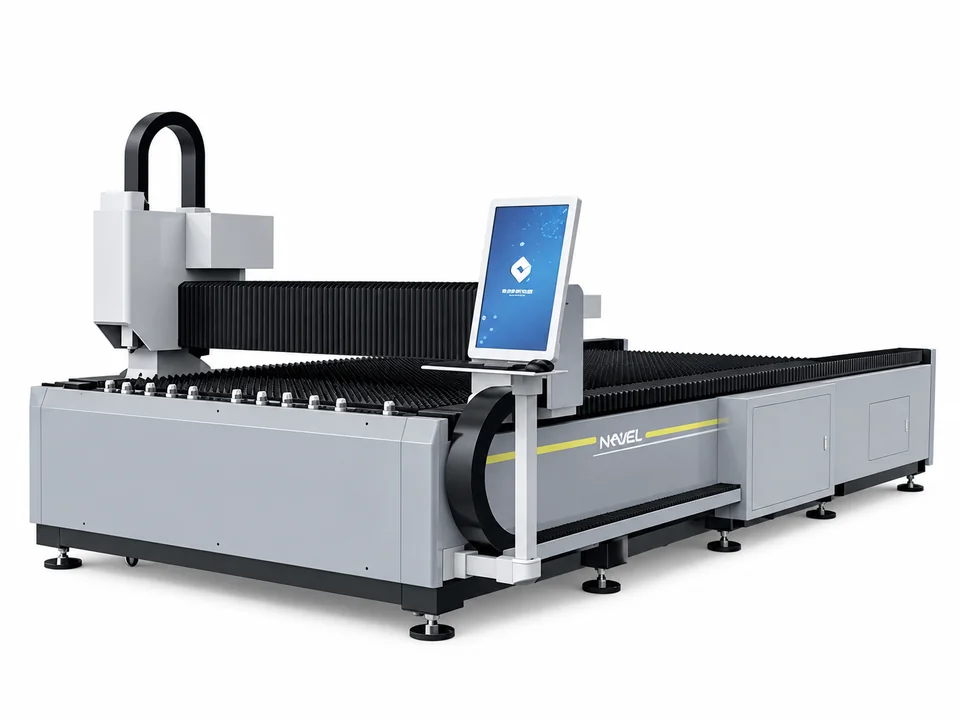
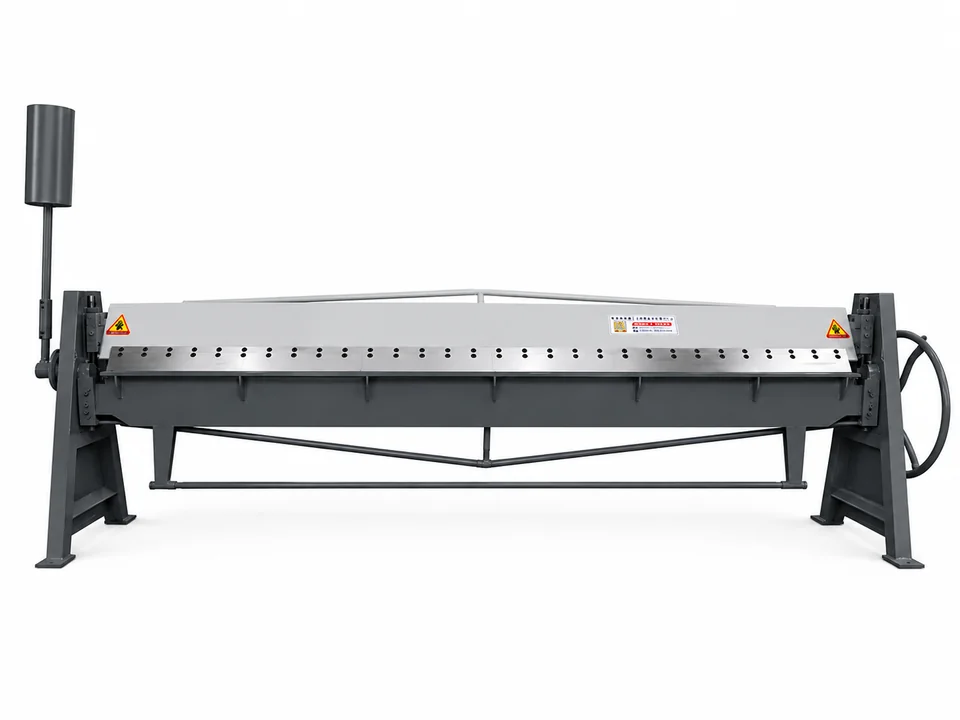
Manual folding equipment for suitable panels, flanges and workshop tasks.
View Models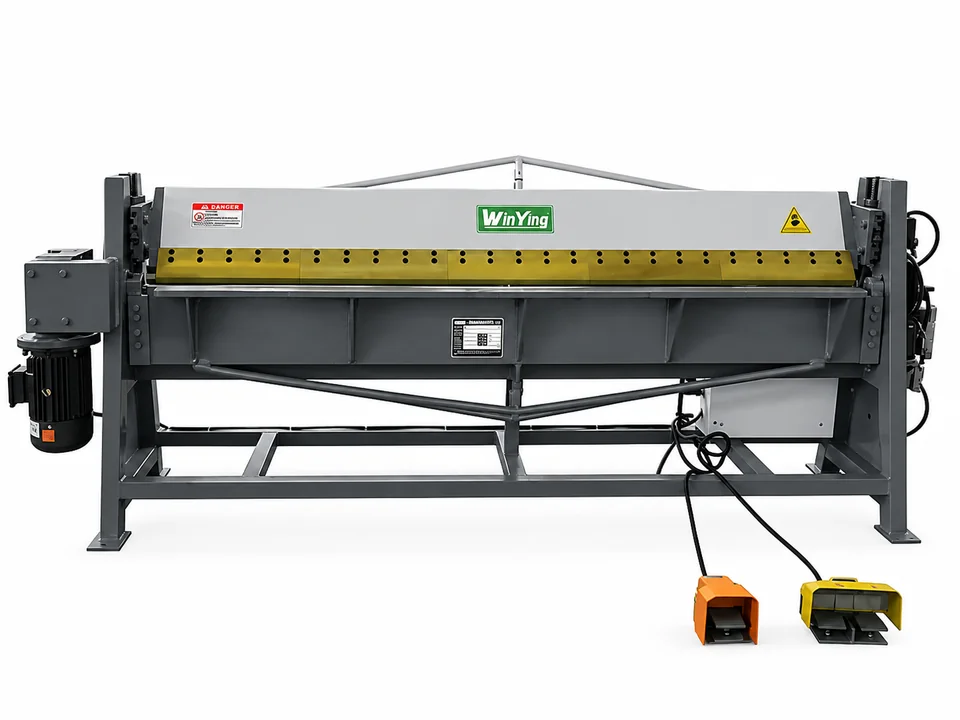
Compare powered folding options against bend length and part geometry.
View Models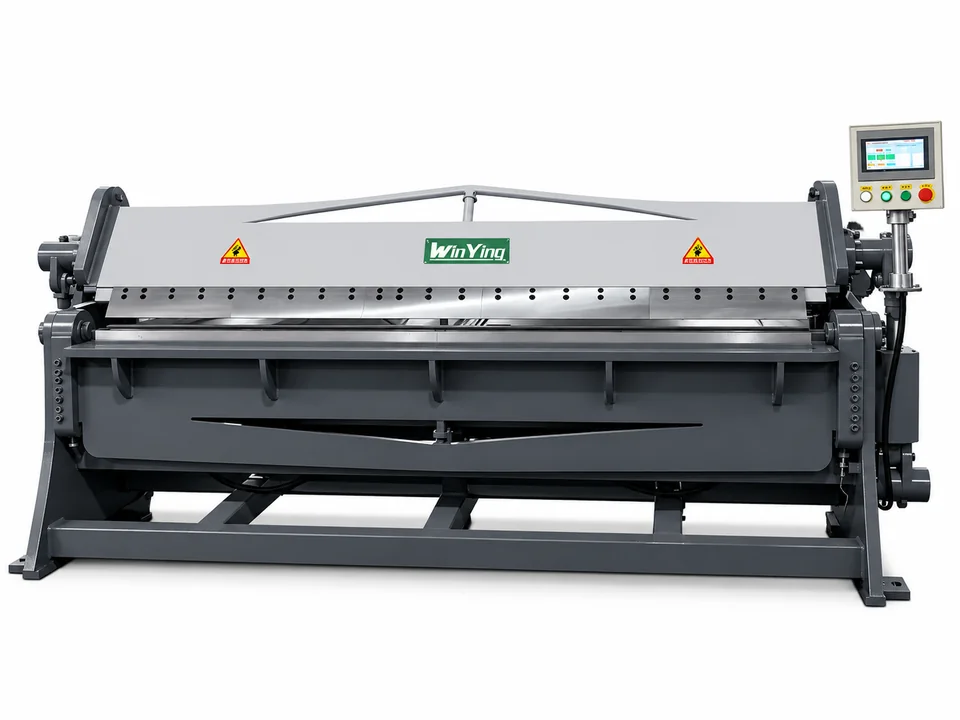
Review hydraulic folding configurations for your sheet-metal components.
View Models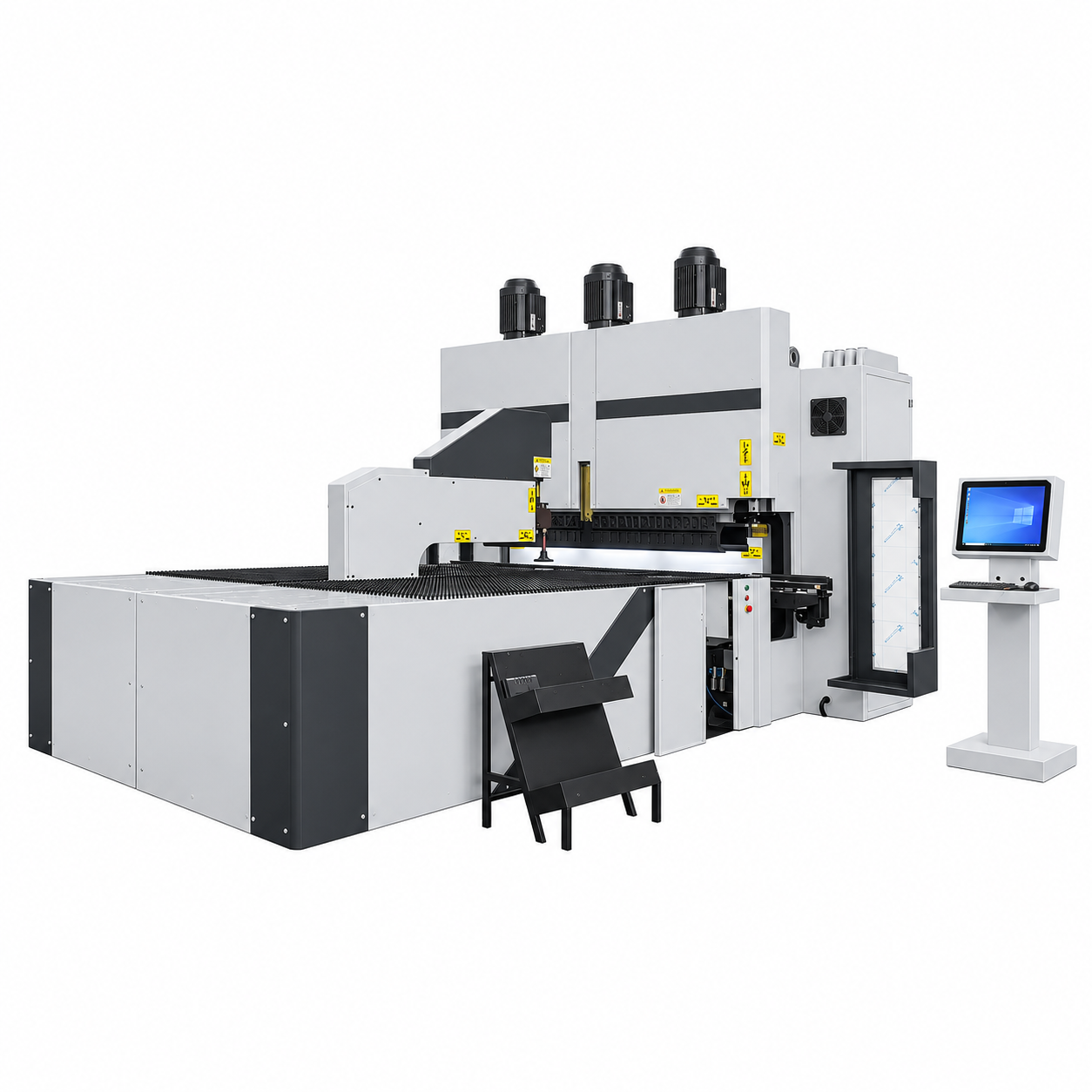
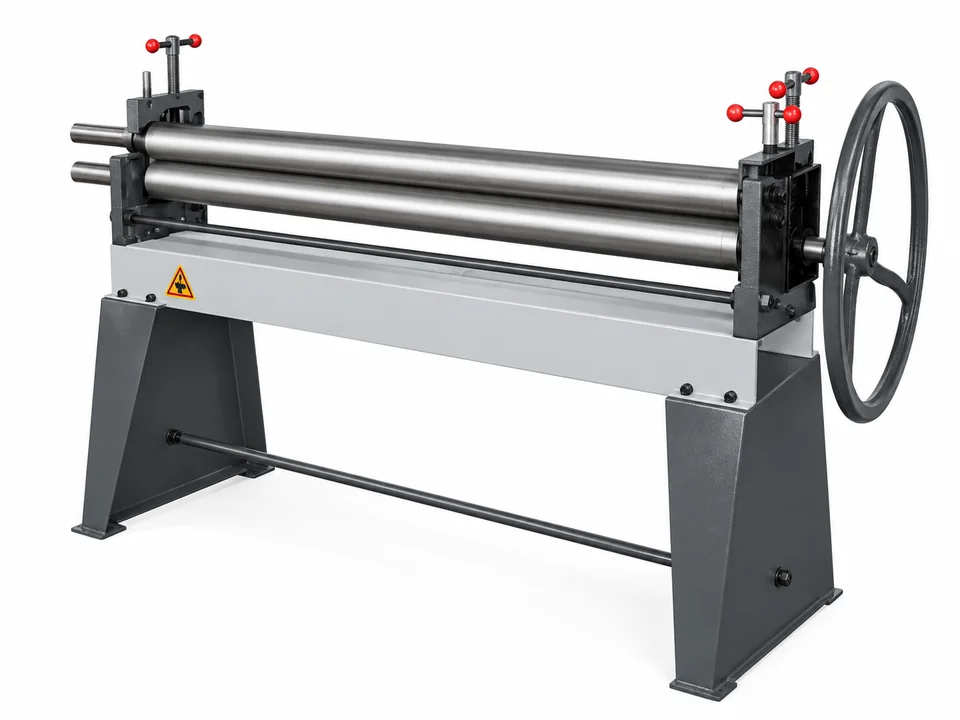
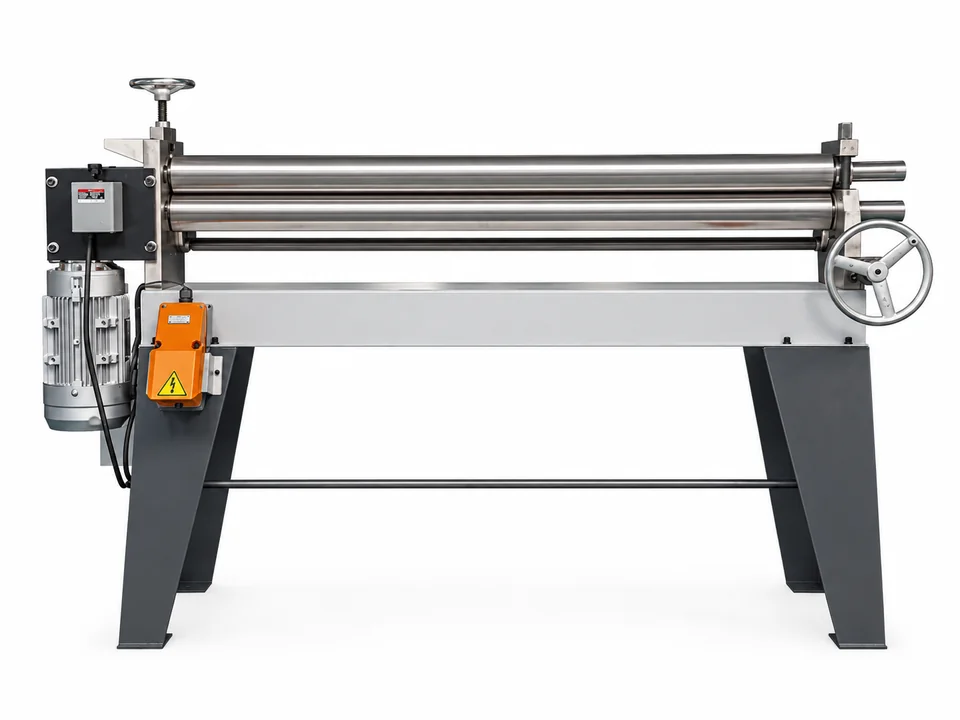
Powered rolling options for suitable sheet and curved components.
View Models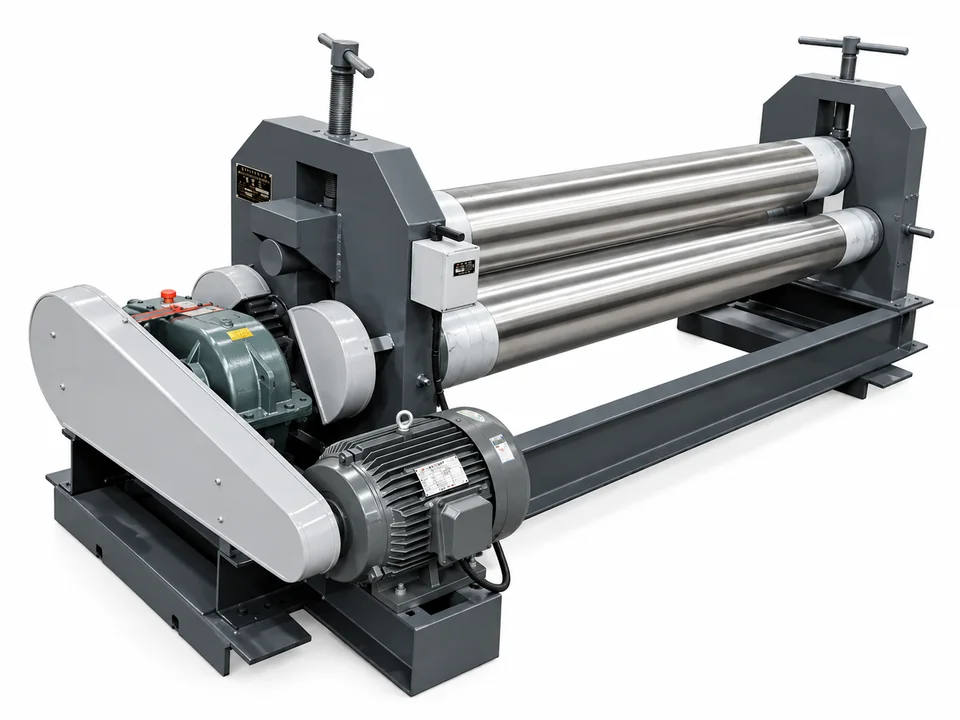
Compare mechanical rolling configurations and model dimensions.
View ModelsReview hydraulic rolling capacity, plate width and forming diameter.
View ModelsShare your material, sheet thickness, working length and bend geometry so we can confirm the available pneumatic configuration.
Request a QuoteConfirm model-specific material limits, tooling and configuration before choosing a machine.
Review material grade and strength, including steel, stainless steel and aluminum.
Use the maximum material thickness and the selected model’s rated capacity.
Check cutting or bending length, plate width and the finished-part geometry.
Match operation, sheet handling and configuration to your expected output.
Start with the finished-part drawing. Shears or laser equipment prepare blanks, folding machines and press brakes form bends, and rolling machines form curves and cylinders.
Capacity depends on material strength, thickness and working size. Confirm the limits for the specific material rather than using the mild-steel rating for every material.
Yes. Plan blank preparation, forming, handling space and production flow as a complete process. Send your drawings and expected output for a combined equipment review.
Provide the process, material grade, maximum thickness, working dimensions, part drawing, production requirements, destination and available power supply.
Send your material, sheet thickness, working size and required process so we can discuss a suitable machine configuration.