01
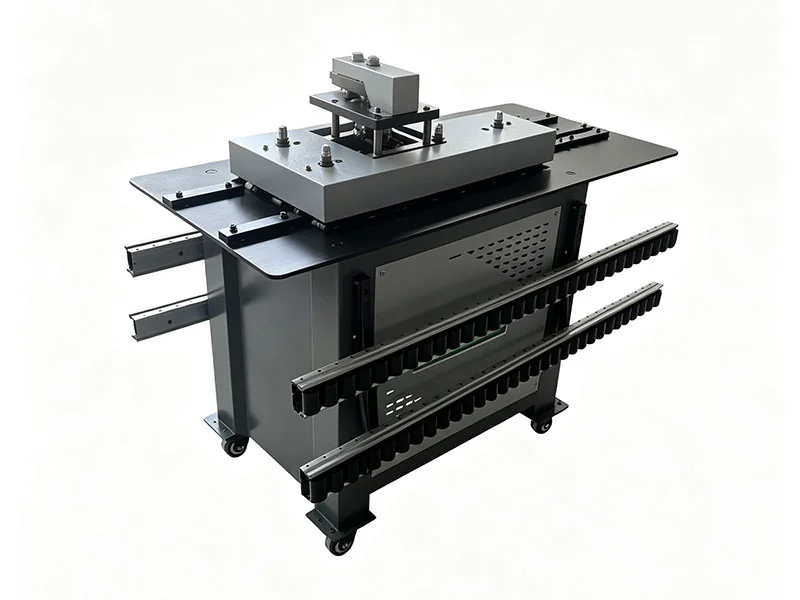
Multi-function Lock Former
For rectangular duct seams and additional edge profiles with the specified roller tooling.
Confirm every required profile and roller set.
View Machine →
Start with your duct shape and seam connection. Match the profile, material and sheet thickness to the right machine.
01 Rectangular duct seam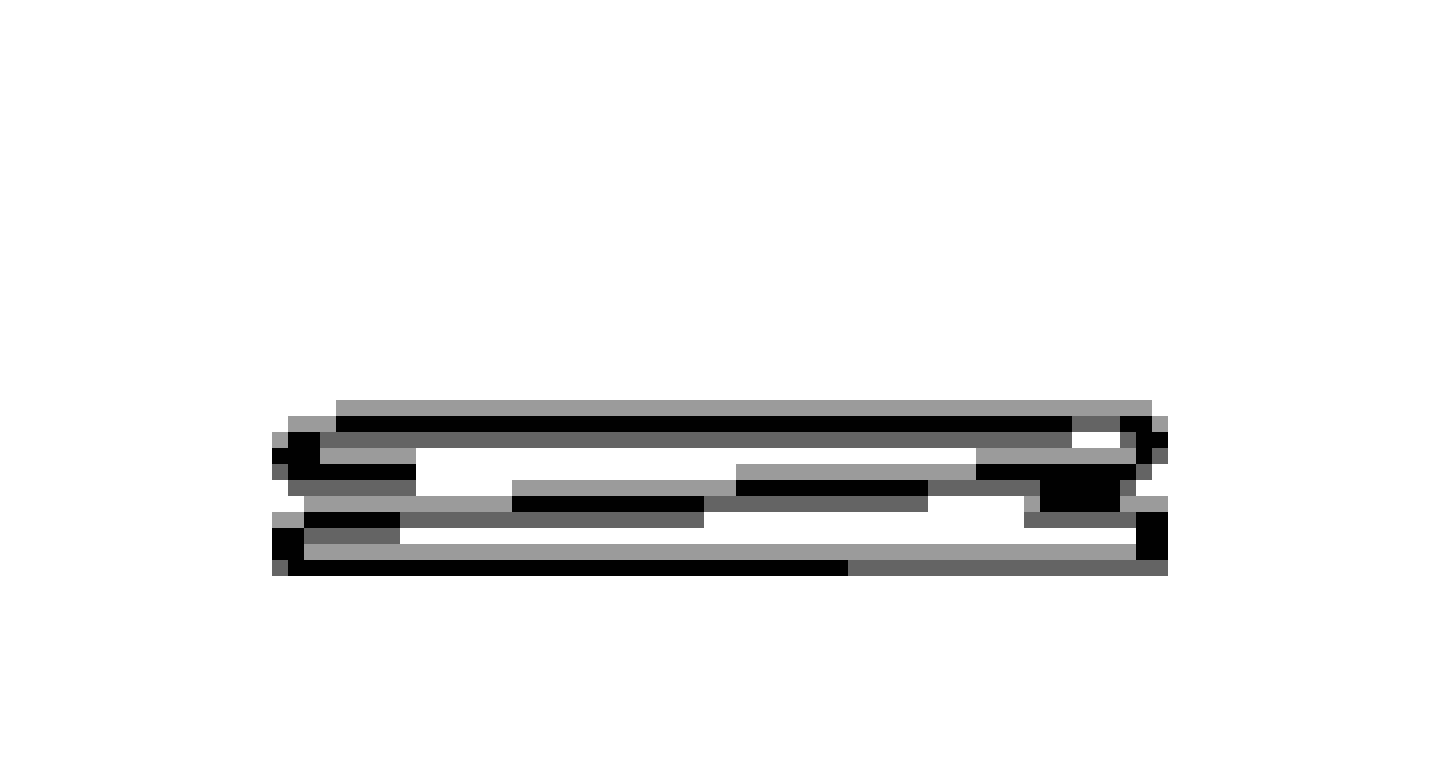 02 S-cleat connection
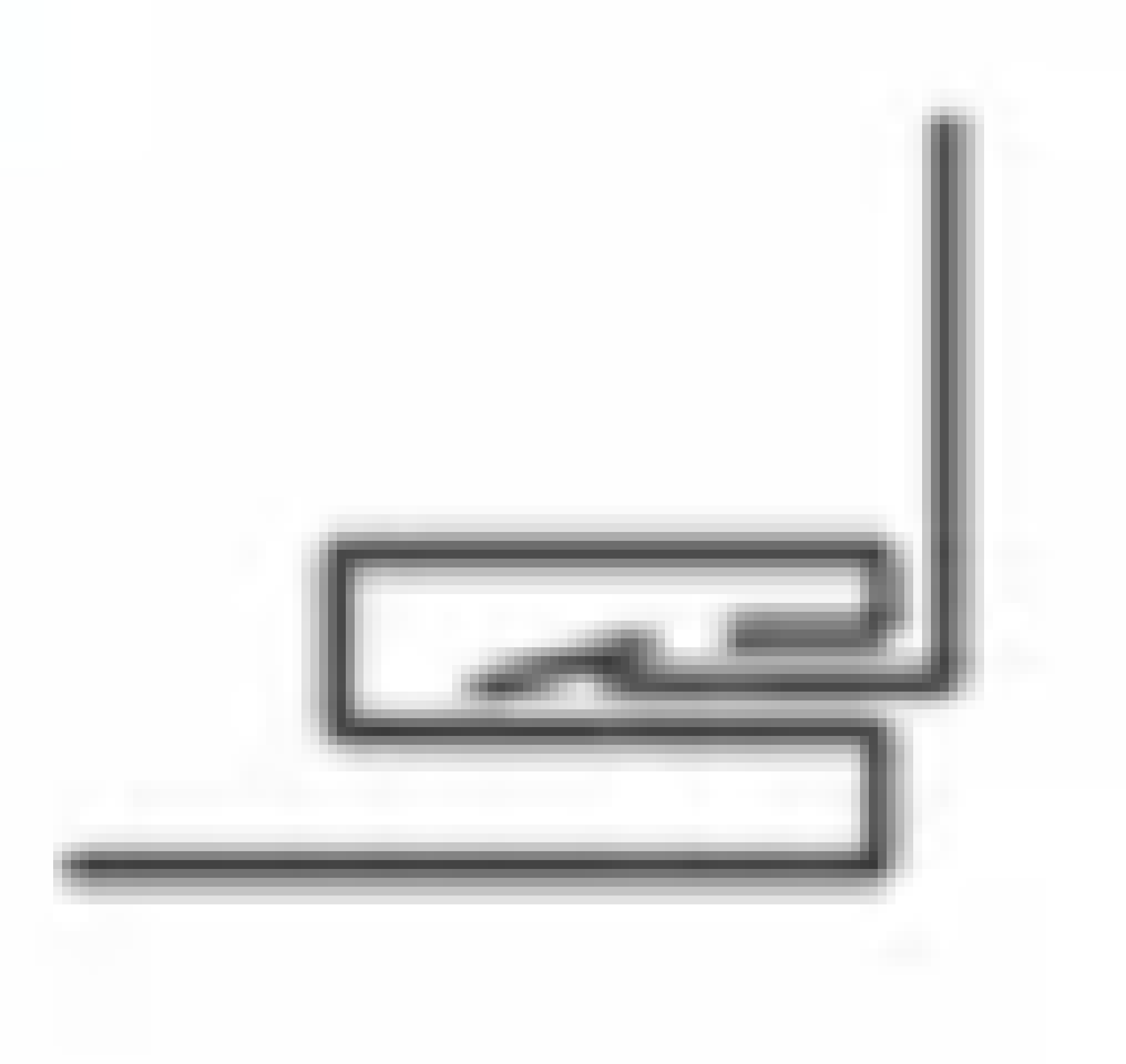 03 Snap-lock corner
 04 Duct elbow seam
Your finished connection comes first. Profile illustrations and supplied workpieces are references; confirm the required geometry.
Four machine types. Different seams and tooling.
For rectangular duct seams and additional edge profiles with the specified roller tooling.
Confirm every required profile and roller set.
View Machine →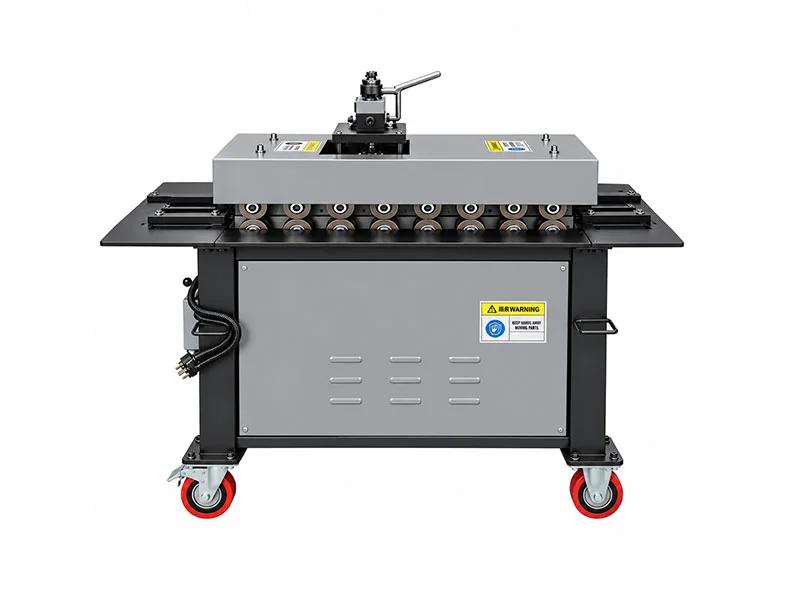
For S-cleat profiles used with compatible sheet-metal duct connections.
Match the cleat dimensions and mating parts.
View Machine →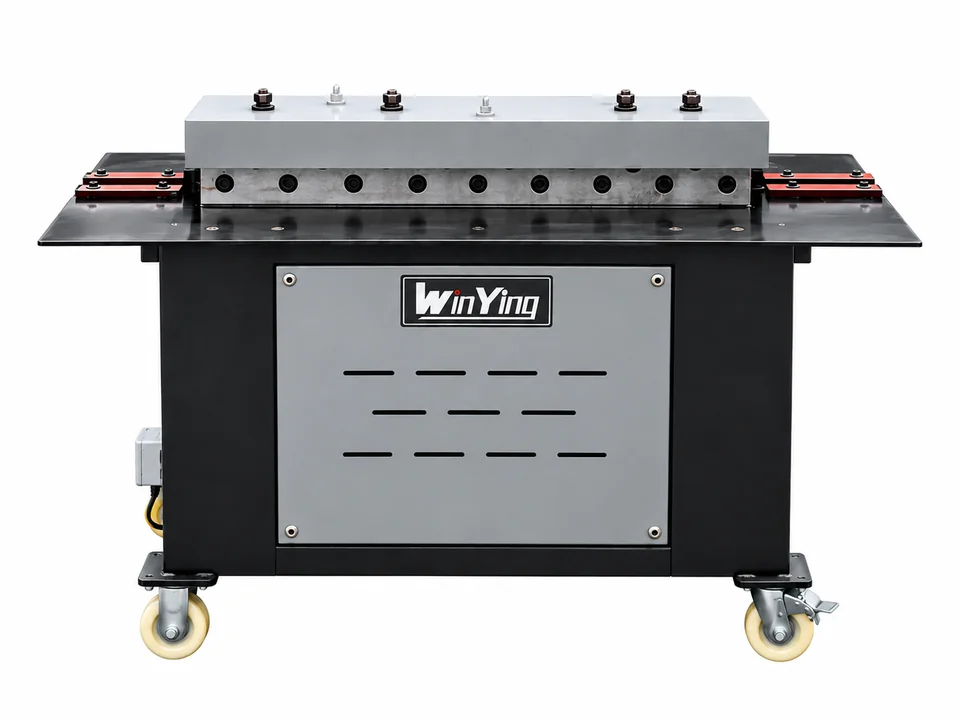
For formed edges used in compatible snap-lock corner connections.
Approve both mating edges and the final corner.
View Machine →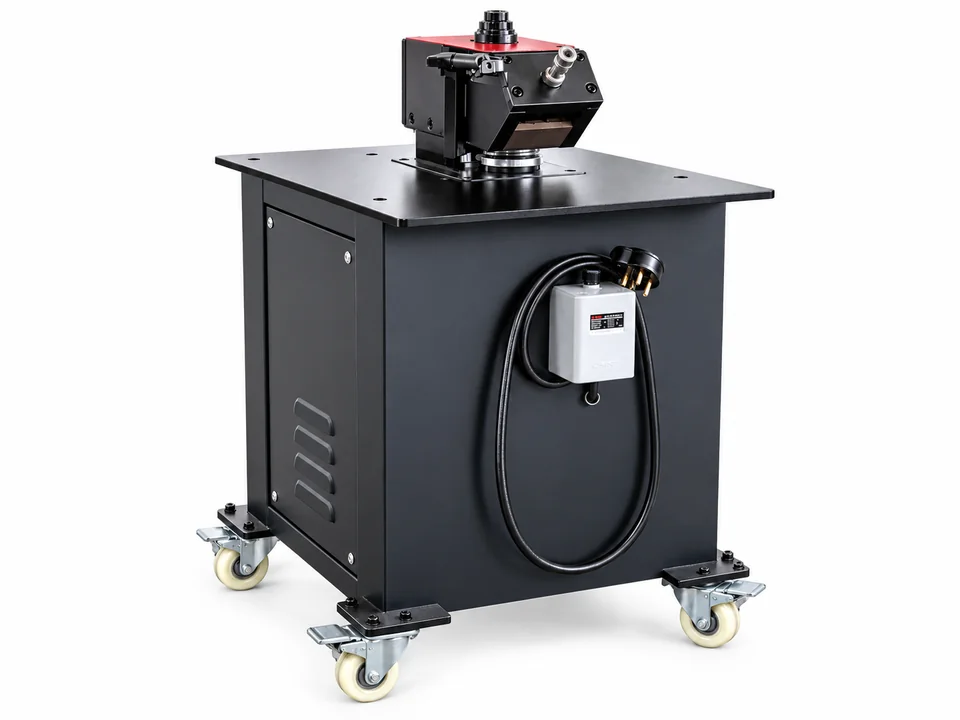
For seam edges on compatible curved duct elbow segments and fittings.
Confirm the seam and finished elbow geometry.
View Machine →The multi-function option links to our Pittsburgh lock former range. Supported profiles vary by model and roller configuration.
Send the duct shape, connection type and required profile drawing.
Specify galvanized steel, stainless steel or another actual material and grade.
State the complete sheet-thickness range for the required profiles.
Confirm the roller set and any separate assembly or seam-closing equipment.
| Machine | Typical connection | What to confirm | Next step |
|---|---|---|---|
| Multi-function Lock Former | Pittsburgh longitudinal seam and other confirmed profiles | Required profiles, material and thickness, compatible rollers. | View details → |
| S Lock Forming Machine | S-cleat profiles and compatible duct connections | Cleat section, mating parts, material and thickness. | View details → |
| Snap Lock Forming Machine | Compatible snap-lock corner connection | Both mating edges, profile dimensions, material and thickness. | View details → |
| Elbow Lock Forming Machine | Conventional or snap-lock elbow seams with suitable tooling | Elbow geometry, required seam, material and thickness. | View details → |
Forming and seam closing may require separate equipment. Reference capacity is model-specific and must be checked for your material.
Send us a duct photo, seam sketch or drawing. Tell us the material and thickness — we’ll help you choose a suitable configuration.
No. A multi-function lock former may support several profiles, but the included shapes depend on its model and roller tooling. Confirm each required section drawing. S-cleat, snap-lock and elbow applications can require dedicated equipment.
Forming prepares the sheet edge. Assembly, seam closing and any finishing are separate steps unless the quoted configuration explicitly includes them. Plan the complete duct fabrication process.
No. Rectangular ducts can use different longitudinal seams and end connections. Match the actual seam or cleat profile, mating edges, material grade and sheet thickness as well as the finished duct geometry.
Send a duct photo, seam sketch or section drawing, material grade, minimum and maximum sheet thickness, and destination power supply. Include the mating parts, elbow geometry where relevant, and production requirements.
For the multi-function/Pittsburgh option, compare the actual material and thickness range with each model’s rated capacity, then confirm the required profile dimensions and roller set. Use the product detail page for model-specific reference specifications.