
Elbow Lock Forming Machine
Explore our duct elbow lock forming machine. Form compatible curved elbow edges with matched tooling and guided feeding. Select LA-15 from the seam and segment geometry.
Curved elbow edge profiling requires compatible segment geometry and guided feeding. Forming the edge is separate from assembling and closing the finished elbow.
The LA-15 elbow lock forming machine price depends on the requested edge profile, material range and supplied tools. Share the curved segment and joint drawings with WinYing, a supplier in China, and confirm the manufacturer, factory supply terms and guided-feed configuration. Elbow assembly equipment must be quoted separately where required. Compare related options: Lock Forming Machines.
- Reference
- LA-15
- Sheet range
- 0.5–1.5 mm
- Listed supply
- 380 V
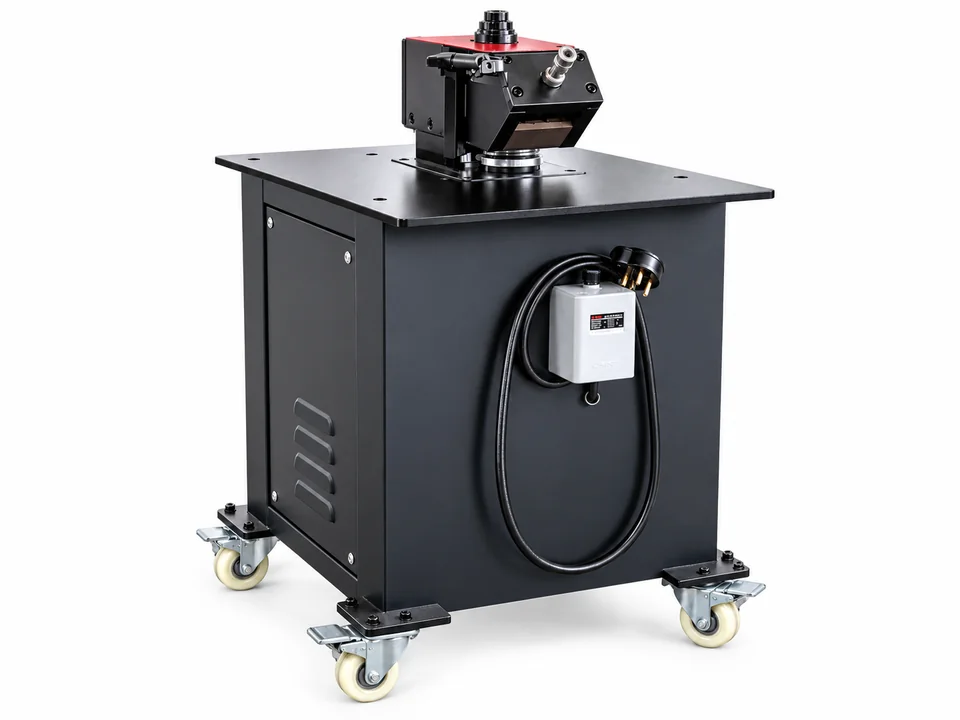
Selecting an Elbow Lock Forming Machine
An elbow lock forming machine prepares seam edges on curved sheet-metal pieces used in segmented round duct elbows. It is not the same as a spiral duct machine or a complete elbow assembly line. Check the elbow segment geometry, seam profile, sheet thickness, feeding clearance and the separate operations needed to assemble and close the elbow before choosing tooling.
For the wider fabrication sequence, read our round duct elbow manufacturing guide and compare lock forming machine types.
A duct elbow seam forming machine must allow controlled feeding of the curved elbow segment while producing the specified joining edge. For segmented round duct elbows, confirm segment radius, edge clearance, sheet thickness and how the formed seam will be closed. Compare the LA-15 reference configuration with the actual elbow drawing before ordering.
Two curved-edge seam references
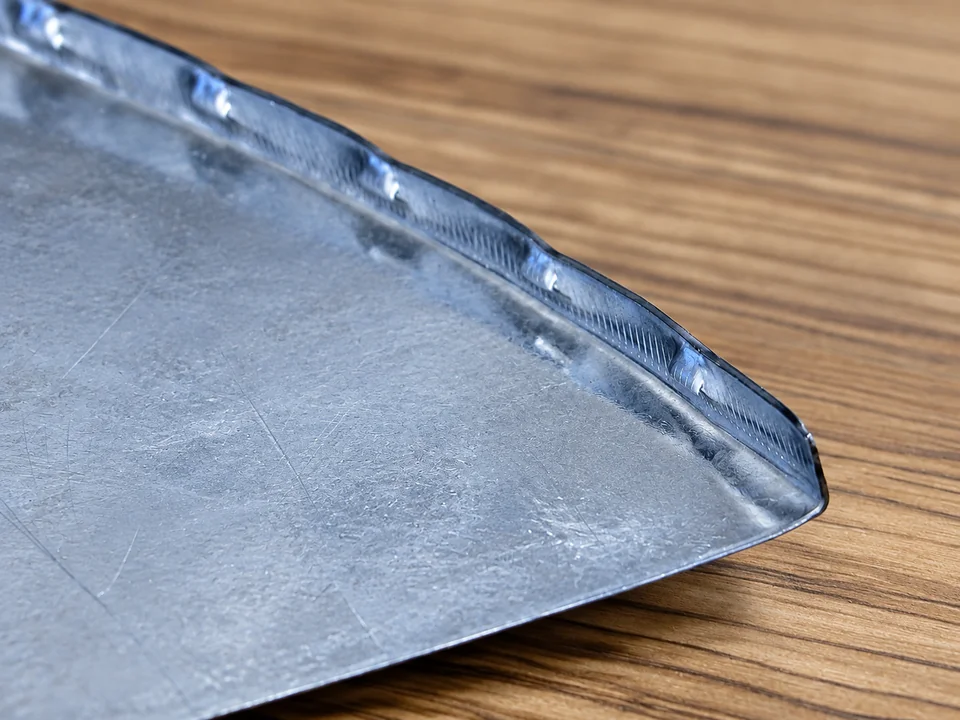
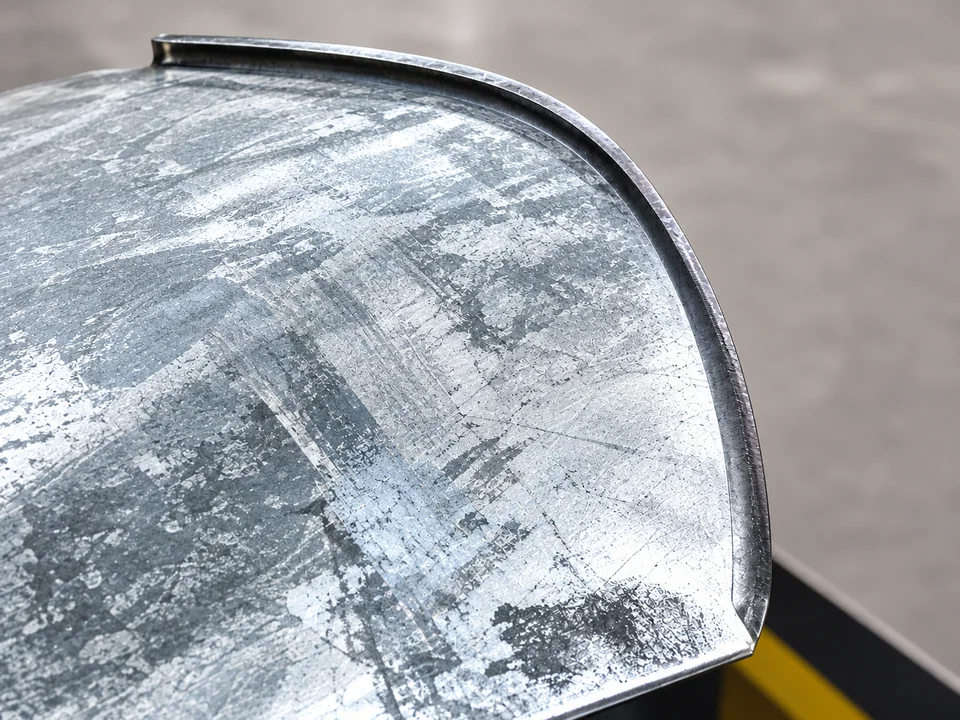
Review guided feeding and curved-part access
Seam type
Confirm conventional or snap-lock construction and the matching forming rollers.
Elbow geometry
Provide the radius, segment size and shortest accessible edge. These affect how the prepared workpiece can be guided.
Loading and support
The source describes no continuous hand-holding during a correctly set forming pass. Loading, guidance and the supplied operating procedures still apply.
LA-15 Reference Configuration
| Model | Sheet thickness (mm) | Voltage (V) | Power (kW) | Weight (kg) | Dimensions (mm) |
|---|---|---|---|---|---|
| LA-15 | 0.5–1.5 | 380 | 1.5 | 180 | 750 × 600 × 860 |
The supplied row lists 0.5–1.5 mm, 380 V and 1.5 kW. Confirm material grade, elbow geometry and tooling; do not treat guided feeding as unattended operation.
From prepared segment to formed edge
- 01
Prepare segment
Approve the blank and edge allowances.
- 02
Match rollers
Use the required elbow seam tooling.
- 03
Guide forming
Follow the supplied setup and feeding procedure.
- 04
Check joint
Test the formed edge with its mating segment.
Questions to settle before ordering
Which seam options are described?
Conventional and snap-lock elbow seams with appropriate tooling.
Is continuous hand support always required?
The source describes guided advancement during the forming pass after correct setup; follow loading and operating instructions.
Does the machine make a complete elbow?
It forms compatible segment edges. Blank preparation, shaping, joining and inspection still need planning.
What radius can it handle?
No universal radius limit is supplied here. Provide the finished elbow geometry for review.
What should I send?
Seam drawing, radius, segment sizes, grade, thickness and utilities.
Request an Elbow Lock Forming Machine Quote
Tell us your elbow radius, seam profile, material, sheet thickness and power supply so we can confirm suitable tooling and machine specifications.